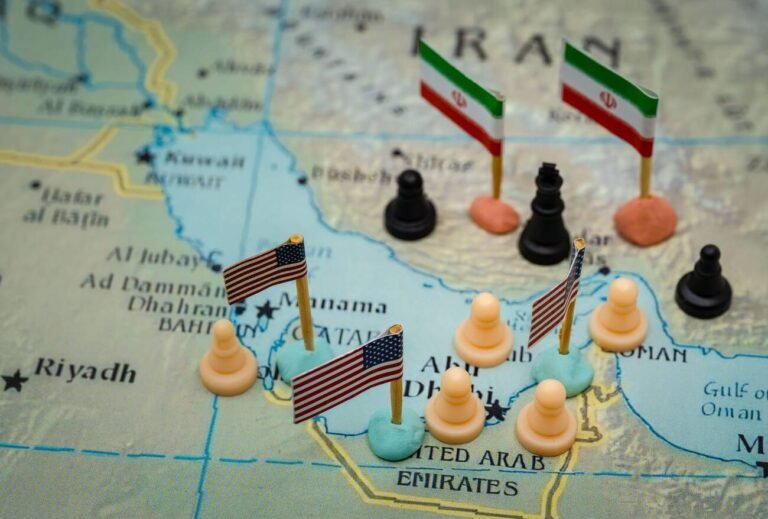
The Strait of Hormuz has operated as an essential maritime route for more than 50 years. This waterway enables the daily transportation of a significant portion of worldwide energy exports and regional trade activities. The Gulf region now faces increased tensions because of military actions between the United States, Israel and Iran. The military confrontation has evolved into an economic situation that now extends beyond its initial military conflict. Analysts believe that Gulf disruptions will have extensive effects which will impact markets beyond oil. The agricultural industry now experiences severe disruptions in its food trade, fertiliser production and supply chain operations. As a result, the Strait of Hormuz impact on food supply has become an urgent problem for all stakeholders, including governments, farmers, and consumers. The article investigates the conflict dangers that threaten both global food systems and agricultural stability.
Strategic importance of the Gulf supply routes
The Strait of Hormuz connects the Gulf with global shipping routes. The passageway serves as a vital route through which numerous vessels transport oil and chemicals, and agricultural products every single day. Shipping companies tend to postpone departures or change routes whenever dangerous situations occur, as they prioritise safe transportation.
The entire world supply chain system experiences delays, which arise from even the briefest interruptions to important transportation routes, according to recent studies. In addition, security risks in the area have resulted in increased shipping expenses, according to recent reports. The shipping industry now faces a significant increase in insurance costs, which has affected both tankers and cargo ships.
The early stage of the Strait of Hormuz impact on food supply demonstrates its initial effects on the region. As a result, the agricultural transportation industry faces increased expenses, which directly result in higher product prices for farmers.
Gulf countries and their heavy reliance on food imports
Gulf States have a high dependency on imported food supplies. Domestic food production between Gulf nations suffers from three major limitations, which include limited farmland, water scarcity and challenging climatic conditions. Gulf countries depend on imported food for more than 80 per cent of their total food consumption.
The majority of these shipments use regional shipping lanes, which connect to the Strait of Hormuz. As a result, supply chains will experience severe delays if maritime routes become unsafe or blocked. The Strait of Hormuz impact on food supply will lead to disastrous consequences. Temporary interruptions create market shortages, which affect the availability of products in local stores.
Some countries can only maintain operational capability for their food reserves during limited disruptions. Gulf governments consider maritime stability a national security priority because it creates fundamental vulnerability for their region.
Fertiliser production at risk
The Gulf region serves as a primary industrial centre for producing fertilizers that are used throughout the world. Gulf countries produce high amounts of nitrogen fertilisers, which include ammonia and urea. These chemicals serve as essential components for agricultural production in contemporary farming practices.
Making fertiliser contributes approximately 50 per cent to global crop production, according to industry reports. Production and shipping interruptions will create global impacts on all industries. Military tensions have already raised concerns among agricultural analysts.
The Strait of Hormuz impact on food supply could emerge through fertiliser shortages rather than direct food shortages. Farmers across the globe will experience increased production expenses and decreased crop yields if fertiliser costs go up.
Shipping Disruption and the Strait of Hormuz Impact on Food Supply
Agricultural markets experience various effects because of shipping instability. Transport delays impact two major supply chains by interrupting fertiliser deliveries and grain shipments simultaneously. Farmers establish their planting schedules several months before the planting season begins. Unexpected cost hikes create obstacles to executing those plans.
Agricultural organizations have reported that European fertilizer prices are expected to increase. The Strait of Hormuz impact on food supply, which analysts track, has caused this trend to occur. Price increases result from combined factors which include rising freight costs, higher insurance payments, and increasing uncertainty about supply availability.
These developments affect multiple regions throughout the world. Any supply disruption that impacts fertiliser availability will result in immediate market reactions from global food markets.
Economic pressure on British agriculture
The United Kingdom currently battles multiple agricultural problems. Farmers still cope with rising energy costs and inflation, which emerged from previous global conflicts and the current war. Fertilizer prices saw a significant increase after Russia launched its military operation in Ukraine. The shock from the war has not allowed many farms to recover fully.
Meanwhile, the Gulf region faces renewed tensions, which will create additional challenges. British farmers rely heavily on imported fertiliser from international markets. Any supply disruption connected to the Strait of Hormuz will lead to additional cost increases.
Agricultural experts warn that fertilizer shortages will lead to decreased crop production. The food production industry will experience diminished yields, which will cause higher food prices and decreased farm income.
Food inflation risks for consumers
Consumers experience the effects of agricultural disruptions, which arrive approximately three months after the incident happens. Farmers respond to rising fertilizer prices by decreasing their fertiliser application amounts, which leads to reduced costs. Lower fertilizer use creates smaller harvests, which leads to a tighter global food supply.
The international community observes the Strait of Hormuz impact on food supply with utmost attention. Even slight reductions in fertiliser availability will result in decreased worldwide grain production levels.
Wheat, maize, and rice markets show high sensitivity to changes in supply levels. Food prices increase when harvest volumes decrease, but demand stays constant. Agricultural crises have followed this pattern during past incidents.
Wider geopolitical consequences
Geopolitics directly affects how the food system operates because it does not work as an independent system. The world security situation depends on three essential elements, which include trade routes, energy supplies and agricultural inputs. Military actions that escalate from the Strait of Hormuz situation demonstrate how directly such conflicts impact everyday people through their effects on food distribution.
The political choices which determine regional stability complete the circle because they establish the conditions which lead to worldwide food price fluctuations. The government bodies fail to recognise the complete range of indirect impacts that will result from their operations.
The market consequences which stem from their actions become visible to farmers and consumers through two main factors, which are higher prices and less reliable product availability. Analysts increasingly warn that Gulf region will experience extended instability, which will increase worldwide inflationary pressures.
Possible global ripple effects
Global food supply chains operate across multiple countries, which establishes their current international framework. The Gulf produces fertiliser, which enables farmers in Europe and Asia and Africa to cultivate their fields. One region produces grain which gets consumed in another region.
The chain experiences disruption when one of its links encounters problems, which results in effects that reach multiple continents. The food supply chain from the Strait of Hormuz creates disruptions which affect regions that extend beyond the Middle East. Countries that depend on imported fertiliser will encounter price increases.
The government needs to provide agricultural subsidies because it serves as a protection system for domestic crop production. This issue will place more financial pressure on the UK government and tax payers.
Protecting food systems from geopolitical shocks
The Gulf tensions demonstrate the exact way that global food systems display their extreme vulnerability. A military crisis in one region now threatens supply chains that feed millions of people. The Strait of Hormuz remains one of the world’s most sensitive trade corridors. Any disruption that continues for an extended time will impact three global markets, which include fertiliser markets and agricultural production and food prices.
Policymakers need to view any impact from the Strait of Hormuz on food supply as an economic danger that requires their attention. The British government has shifted its initial cautious approach and started to support the United States’ military actions against Iran. This is a serious mistake. It risks sacrificing Britain’s food security and the stability of global markets to preserve the special relationship between London and Washington.