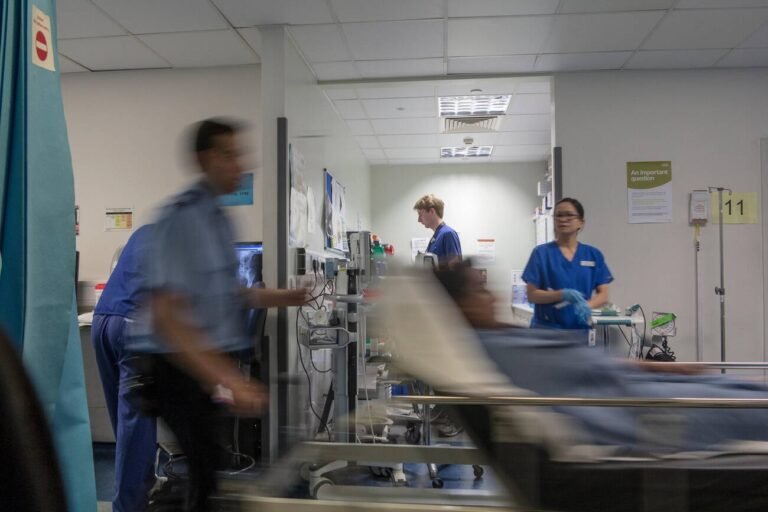
The National Health Service of the OK is in a crisis in 2026 because it has had a lot of problems for years. It is in a bad situation in April 2026. The nurses and doctors are on strike because they want fair pay and reasonable working hours. This has caused an argument with the public. The British Medical Association, which is organizing the strikes, is now having problems with its staff who want higher salaries. This shows that the organization is in trouble. People once took pride in the National Health Service, but now it faces many problems with its employees, and the public is getting worried. The situation is getting worse and worse. This article is going to look at how the National Health Service crisis started and what is happening now in the NHS crisis in 2026.
A System under a Lot of Pressure
The National Health Service has always had problems. Now it is facing even bigger challenges. The healthcare system has to deal with more patients, but it does not have enough money or staff. The people in the UK are getting older. They need more care. More and more people need help. The National Health Service does not have enough money to provide it. In 2025, the waiting list for treatment was the longest it has ever been, with over 7.29 million people waiting. The National Health Service does not have enough staff, which is making the crisis even worse. It is estimated that the National Health Service needs over 100,000 employees. The numbers show that the system is in trouble. The National Health Service crisis in 2026 is happening because of problems and long-term neglect.
A History of Strikes Since 1975
The UK has had healthcare strikes for a time. The first big strike by doctors was in 1975. Since then, there have been more strikes. Nurses, doctors and other healthcare workers have protested against their working conditions and pay. The strikes have always followed a pattern. The workers want good working conditions, but the government takes a long time to do anything about it. This leads to agreements, but they do not solve the underlying problems. Over time, people are getting more and more frustrated. The current crisis with the National Health Service has its roots in this pattern of strikes. The National Health Service crisis in 2026 is a result of all these years of arguing and protesting.
The Ethical Dilemma of Strikes
When healthcare workers go on strike, it creates serious problems. Healthcare workers need to be treated and have a safe place to work. They do an important job, and they need good working conditions to keep people healthy. When workers stop doing their jobs, patients do not get the care they need. The hospital has to put off surgeries that are not emergencies. The emergency response system is also delayed. In 2024, strikes caused more than 1.2 million appointments to be cancelled. The rights of workers are in conflict with the care that patients need. The NHS crisis in 2026 shows what happens when workers and the public do not agree. Both sides lose.
Government Policy. Systemic Failure
This crisis started with the UK government. The government has not done a good job of taking care of healthcare needs over time. The two main parties have been in charge. They have not made lasting changes. When the government makes a budget, it tries to save money instead of making sure there is enough money for the future. This means hospitals do not have the money to work properly. There are not enough staff, and the buildings are old, so more money is needed to fix these problems. The government has a hard time paying workers what they want while still staying within its budget. This is causing the system to break down. The NHS crisis in 2026 is an example of what happens when the government makes mistakes over and over.
The BMA Controversy
The British Medical Association is also having problems, which makes the crisis worse. The people who work in the offices of the British Medical Association have gone on strike because they are not paid enough. This has caused people to say that the British Medical Association is being hypocritical. The British Medical Association says doctors should be paid more. Its own workers are not paid enough. This fight inside the British Medical Association is causing people to lose trust. The NHS crisis in 2026 is not just about the people who work directly with patients. It is also about the organizations that represent them.
Impact on Patients and Public Trust
The crisis is directly affecting patients. People have to wait a long time for medical care, which makes them anxious. They have to wait for months or even years to get the care they need. When people do not get care right away, their conditions get worse. People are starting to lose trust in the healthcare system. A recent survey showed that only 21 percent of people are happy with the care they got. People still believe in the idea of healthcare for everyone. They are not confident that it will be delivered. The NHS crisis in 2026 is threatening the relationship between people and the healthcare system.
Workforce Burnout and Mental Health
Healthcare workers face a lot of pressure every day at work. They work long hours and have a lot of responsibilities, which makes them feel burnt out. Staff members feel stressed, anxious and tired, according to their reports. When workers leave their jobs, it leaves more work for those who stay. In 2023, 40 percent of NHS staff said they felt unwell because of work-related stress. This stress at work started in 2023 and is still happening today. Burnout makes workers less productive and more likely to make mistakes. The system becomes less efficient because of these mistakes. The upcoming NHS crisis in 2026 needs solutions that include supporting staff members’ mental health.
Budget Constraints and Resource Allocation
The NHS has a problem with money. Even though NHS funding has increased over time, it’s still not enough to meet the healthcare needs. New technology, an aging population and inflation make expenses go up. The budget allocation process has problems because it doesn’t work well. Some areas get more resources than they need, while others don’t get enough. This causes the whole system to work efficiently. Some hospitals are very full, while others do not enough have beds and equipment. Better planning and distribution of resources would help people get the care they need.
NHS Crisis in 2026 and Structural Reform
The NHS needs to change in a way. It needs workforce planning, fair pay systems and better management. Investing in healthcare will reduce the need for hospital care. Preventive care programs can also reduce healthcare needs. These changes need support from politicians and the public. The system will keep having crises until it gets guidance. The NHS crisis in 2026 should be a turning point. The government needs to make changes to the system instead of temporary solutions.
A System at a Crossroads
The NHS has been under strain for decades with strikes and policy failures. The current crisis shows structural weaknesses that can’t be ignored. Healthcare workers deserve treatment, and patients deserve timely care. The essential needs require balancing. The future development of the NHS requires both choices and extended structural updates. The system will experience deterioration unless essential changes occur without delay. The NHS crisis in 2026 serves as both a danger signal and an opportunity to implement system change.