

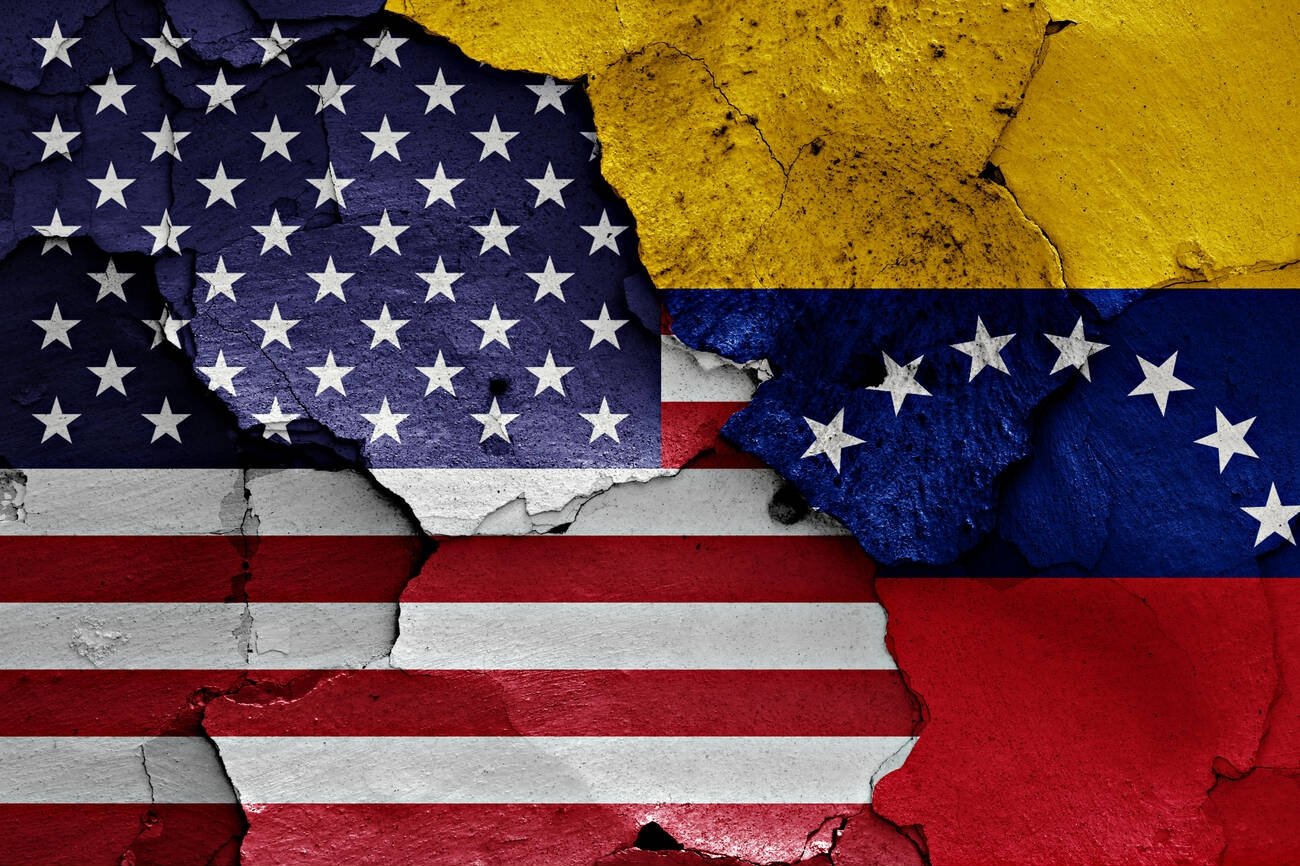
The arrest of Venezuelan president Nicolás Maduro after the United States did a military operation has caused a lot of reaction from people around the world. In the UK, people are being very careful about what they say. They do not all agree. Prime Minister Keir Starmer did not say that the United States did anything wrong. He said that the UK was not involved in the operation. At the time, he made it clear that his government never thought the Nicolás Maduro regime was legitimate. This thoughtful answer shows the UK stance on Venezuela. It also raises questions about the UK’s adherence to international legal obligations. This article looks at the problems with politics, laws and what is right and wrong when it comes to Britain’s reaction to things. Britain’s reaction is what we are focusing on here.
A Careful Response from Downing Street
Keir Starmer talked about how far away the problem was, instead of saying what he really thought. He said that what happened was something for the people in Washington to talk about and that the UK was not a part of it. By saying this, Keir Starmer did not openly criticize the United States. He still showed that he did not agree with what Maduro was doing. A lot of people think that Keir Starmer did this because he wants to keep the UK’s relationship with the United States.
Foreign Office Silence and International Legal Obligations
The Foreign Secretary and other ranking people did the same thing. They did not say if the United States did something according to international law. They were quiet about this when people like lawyers and people who oppose the government spoke out. Britain usually talks a lot about doing what is right and following the law in meetings with other countries. This time, the people in charge did not say what they really thought. Some people think this makes Britain look bad when it comes to law. The Foreign Secretary and other officials did not want to make things worse. They think the government did the right thing by staying calm and not saying too much. The thing is the UK does not have a legal position on Venezuela. The British government defines the UK stance on Venezuela through this lack of a clear legal position.
Stronger Reactions from Devolved Governments
London was being careful, but the people in charge of Scotland and other places were saying what they thought. The First Minister of Scotland said that what happened was definitely not okay under law. This showed that the people who run the parts of the UK do not always agree. It also showed that ordinary people, not lawyers, worry about what is right and wrong in the eyes of the world. The leaders of these regions were talking about what’s fair, not about what might happen next. The situation with Venezuela is now more complicated for the UK.
Opposition Parties Criticize UK Stance on Venezuela
People who do not agree with the government are worried. Sinn Féin said the operation is a way to get control of Venezuela’s oil. The Liberal Democrats and Reform UK did not say they support what the United States is doing. Some members of parliament said the government is not saying anything on purpose. These reactions show that people are unhappy for reasons that go beyond which party they belong to. Many lawmakers said that Britain cannot speak about human rights in other countries while it ignores international law when its allies are involved. Britain is supposed to follow these laws. It seems like it only does when it wants to. Venezuela’s oil resources are a deal, and many people think that is the real reason for the operation. The UK stance on Venezuela is getting a lot of criticism from politicians.
Public Protests and Civil Society Response
People are really upset about this. There were protests in London, Glasgow and Belfast. Protesters said the government only cares about certain issues. Community groups warned that the situation will get very bad if we do not speak up. Not a lot of people were protesting. It shows that people generally feel very frustrated about the decisions governments make about other countries. In fact, for many of the people who were protesting, the issue was not that they like Maduro. The issue is that they think we should follow the rules that everyone agreed on. These protests show that there is a difference between what the important people are doing and what the public wants. The gap is really affecting how people see the UK stance on Venezuela. It is changing what people think about the UK stance on Venezuela.
Strategic Interests over Legal Consistency
Britain says it is a defender of law. It always talks about states that do not respect the rights of other countries or the people who live there. This time, it seems that Britain is thinking about what is best for itself. Clearly, Britain and the United States are close friends, and this is very important for Britain’s foreign policy. This friendship is probably why the government is being very careful with what it says. If Britain does not always stand up for what is right people will start to question its leadership. When rules are not applied equally to everyone, people lose trust. This is a problem, and it is something that people are talking about a lot when it comes to Britain and Venezuela. Britain is still talking about Venezuela. What it should do. The thing is Britain needs to think about what’s best for everyone, not just itself.
A Pattern of Pragmatism in Foreign Policy
The UK does this kind of thing a lot. When friends of the UK are accused of doing something, the UK often uses softer language. The people in charge say this is just being realistic. Other people say this is not fair. The problem is that the UK has to balance what is good for the country with what it says it believes in. What the UK did with Venezuela is an example of how hard this can be. It also shows that when there is a lot of pressure from countries, the UK can quickly forget about following international laws. The UK has to deal with this balance all the time, but it is not easy.
Long-Term Risks for Britain’s Global Role
Britain faces a problem if it does not follow the rules all the time. People think of Britain as a country that does what is right. This helps Britain when it talks to countries and makes trades with them. If other countries see that Britain only follows the rules when it wants to, they will not listen to Britain much. Britain needs to remember that it has to follow the rules so that other countries will respect it. The way people remember what the UK did about Venezuela will depend on what the UK does.
Principles Under Pressure
The UK’s response to events in Venezuela reveals deep tensions in foreign policy. Strategic loyalty, political caution, and legal principles collided at a critical moment. While the government avoided direct condemnation, it also avoided clear legal leadership. This choice shows a wider struggle between values and interests. If Britain wants to remain a credible defender of international legal obligations, it must apply them equally. Otherwise, the UK stance on Venezuela may come to symbolise a broader retreat from principle-driven diplomacy.
