

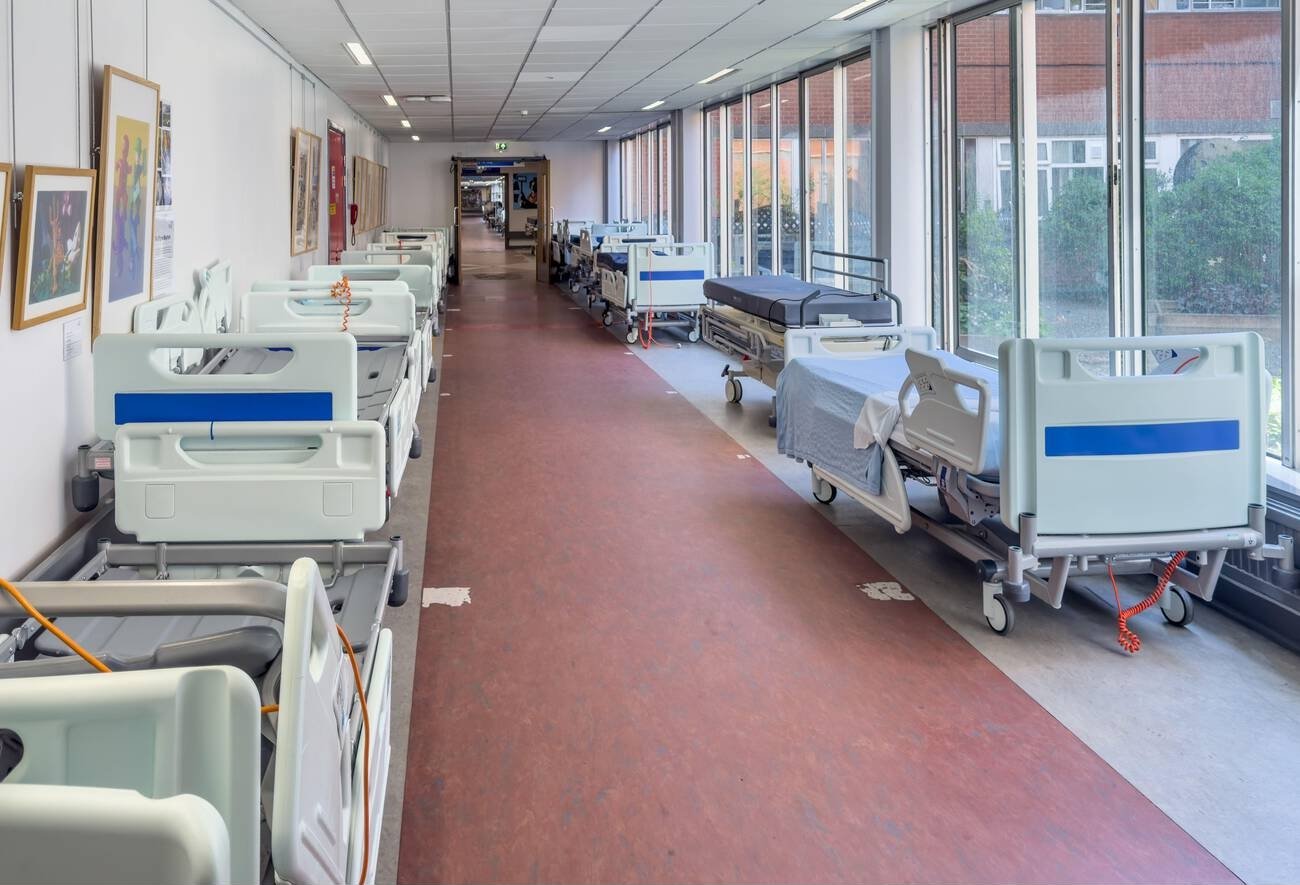
The UK’s National Health Service (NHS) is under considerable pressure once again due to the intense flu outbreak that the nation is facing after the Covid-19 pandemic. The nation is experiencing one of the most severe flu outbreaks in decades. This surge is being called a “super flu” outbreak because of the exceptionally high number of infections. The flu outbreak in the UK has been both severe and widespread. This situation has raised serious concerns about the preparedness of the NHS. This document will analyze the impact of the flu outbreak in the UK on the NHS.
Flu outbreak in the UK and the Increasing Pressure on the NHS
For the first time since COVID-19 restrictions were eased, the UK is experiencing higher flu infection and hospitalization rates. These rates have surpassed those seen in previous winter seasons. During the pandemic, measures such as social distancing, mask-wearing, and restricting social interactions were implemented.
These policies significantly limited the spread of flu viruses. This situation has led to reduced exposure to flu viruses. Consequently, the population’s natural immunity against flu may have decreased. Additionally, with social activities returning to normal, flu viruses are being transmitted at a faster pace than before.
Hospitals have reported an increase in emergency cases. This rise is particularly noticeable among seniors and individuals with pre-existing medical conditions. NHS England data show that hospitalisations for flu have risen by more than 55% in a short period. This issue has pushed hospitals into critical pressure.
Seasons of Pressure and Hospital Capacity
Winter has always posed significant challenges for the NHS. Cold weather leads to a rise in respiratory illnesses, injuries from falls, and complications in people with chronic health conditions. The current flu outbreak has further increased patient demand. As a result, some NHS hospitals are approaching their maximum capacity.
Many healthcare organizations have experienced delays in admitting patient cases due to occupied beds. Most hospitals in England are currently operating with full or nearly full beds. This situation limits the system’s ability to handle sudden or unexpected increases in patient demand. Since most of the healthcare organizations are operating with full or close-to-full capacity, patient management has faced problems.
Workforce Shortages & Industrial Action
The ongoing staff shortages in the NHS have worsened the impact of the flu outbreak in the UK. These shortages have made it harder for hospitals to cope with the increased patient load. With seasonal trends and system pressure, flu hospitalisations in England rose by over 50%, with an average of 1,717 flu patients in hospital beds per day.
This figure is far above levels seen in previous years. Hospital managers are struggling to maintain full staffing because many employees are absent due to illness, exhaustion, or unfilled positions. As a result, hospital managers are operating with fewer staff than needed in many areas.
However, strikes have been evident among staff in the healthcare sector. The strikes have reduced the number of employees in healthcare workplaces. Staff members have cited long working hours, insufficient staffing, and low pay as the main reasons for joining trade union strike action.
The Human Cost for Healthcare Workers
Going beyond the issue of operations, it is also important to note that the current situation has also impacted the mental and physical well-being of staff in the NHS. Winter pressures, in combination with the emotional burdens of caring for very ill patients, have caused widespread fatigue. Healthcare professionals feel devalued, which impacts staff morale. The shortage of staff leads to excessive workloads a cycle of pressure. The pressure on the staff increases stress and further reduces staff availability.
Consequences for Patient Safety
A situation where there is a serious outbreak and a staffing crisis can present major risks for patients. Overcrowded emergency rooms, delayed care, and limitations in access to regular care can endanger patient health.
During this period, the most affected patients include the elderly, young children, and those with weakened immune systems. Health experts have warned that sustained pressure on the NHS can cost lives. With enough resources and timely care, the system could prevent many of these avoidable deaths.
When healthcare systems are overstressed, staff may struggle to provide patients with proper care. The situation presented by the flu outbreak in the UK can thus present a major patient concern.
Structural Problems in NHS
Although the current flu season places a significant strain on the healthcare system, long-standing weaknesses within the NHS have also worsened the situation. Structural problems and limited preparedness have played an important role in turning seasonal pressure into a wider crisis.
A lack of investment in the sector, a lack of capacity in the form of beds in hospitals, and a lack of skilled medical personnel have left the system incapable of handling the demand surge. The UK also has one of the lowest ratios of hospital beds compared to other comparable nations, making it difficult to handle a medical crisis.
Also, inadequate investment in community and social care means that those patients who are medically ready for discharge are occupying the beds at the moment.
Prevention and Public Health Challenges
Preventive healthcare is an important component in controlling the intensity of the annual outbreaks of the flu virus. Healthcare authorities can reduce flu-related hospital admissions by promoting immunization and ensuring early access to treatment.
Public education campaigns also play a key role by helping people prevent infection and seek care sooner. But the problem in the immunization process, especially within the target populations, has disrupted the efforts of the preventive actions in place during the current flu season. The dissemination of information has also had challenges in reaching the entire population.
Preparedness for Future Crises
The recent flu outbreak in the UK has brought back focus on whether the NHS is prepared for future health crises. The NHS could face similar conditions in the future due to population aging, health conditions posed by climate change, and the persistent prevalence of infectious diseases. The NHS can find itself in a cyclical pattern of facing a winter crisis if there is a lack of planning and proactivity.
Responsibilities for Policy and Long-Term Solutions
To address this situation, policymakers must take firm action. In the short term, providing emergency funding could ease immediate pressure on the system. Over the longer term, healthcare authorities need to implement sustainable solutions.
They should focus on retaining staff, expanding capacity, and strengthening preventive healthcare. Engaging in constructive dialogue between policymakers in government and personnel within the NHS will be crucial in addressing industrial issues that result in stability within health structures.
A Critical Moment for the NHS
The flu outbreak in the UK has put an unusual amount of pressure on the NHS at a time when it is crucial that it continues to recover from the COVID-19 pandemic. High levels of infections, staff shortages, and existing weaknesses have combined to reveal severe shortcomings in the healthcare system. If not addressed properly, this could become common in winter healthcare for the UK every year.
Now is a time for change. The key to improving the NHS and putting it in a strong position for future pandemics is to invest and reform it. The NHS is responsible for offering safe and effective healthcare during this time and in the years to come. The government is responsible for managing resources, and supporting NHS staff and patients.
