

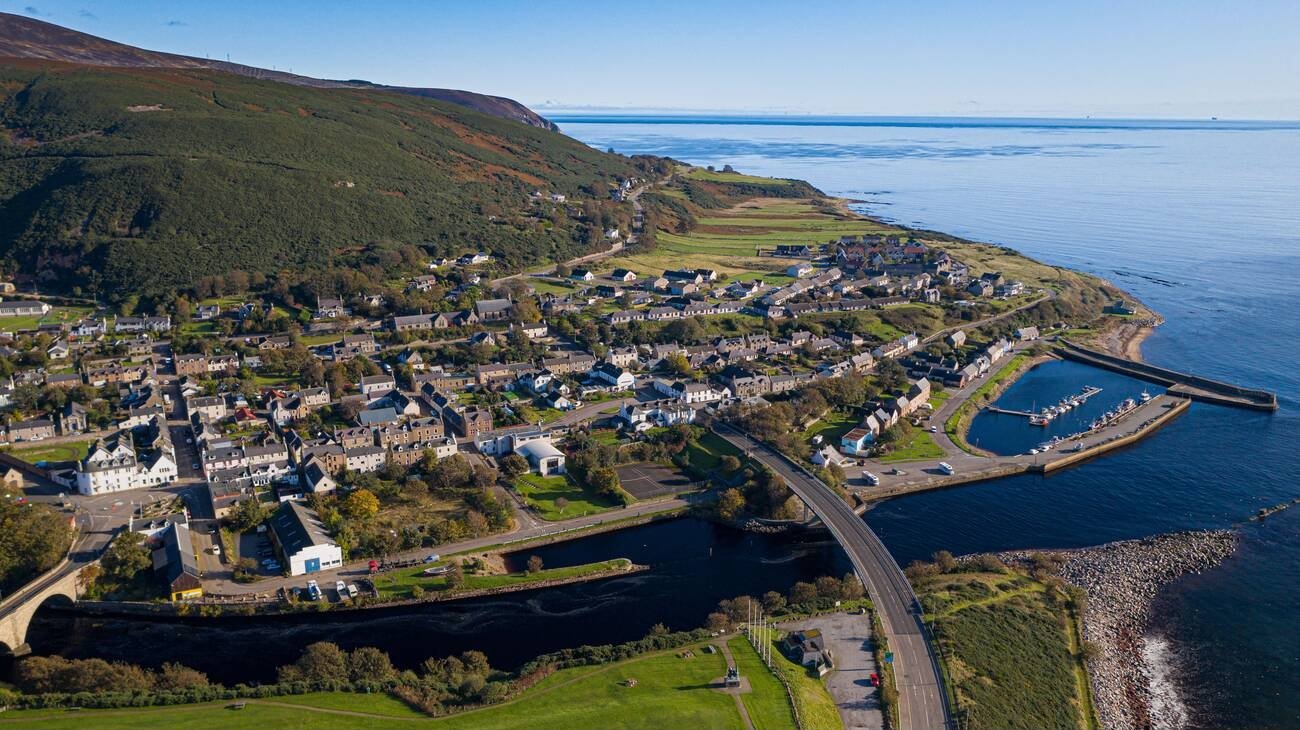
In the space of just a decade alone, there have clearly emerged urban-style communities in Scotland. Many small settlements have grown as new housing and improved transport links have changed the way people live and work. Such changes affect the economy, social life, and cultural identity of Scotland. The growth of Scotland’s new towns reflects people’s tendency to move toward the location of comfort, opportunity, and up-to-date services. This article explores the major driving forces for change and looks at what it means for future development in Scotland.
The Rise of New Towns across Scotland
Between 2014 and 2025, thirty to thirty-three new towns were created or recognized in Scotland. This increase reflects slow but sure movement away from rural areas to communities with better job and service opportunities. Indeed, 53.8% of the population of Scotland lives in small to medium towns-an unprecedented shift in the way the population distributes itself across Scotland.
Many families relocate to a modern town because it has more reasonable housing, more adequate facilities, and better transportation links than a village. When these expanding developments push a community beyond a thousand residents, town status is often granted.
Improved rail lines and road networks can also be a major player in this regard, since these reduce travel time and open up doors to larger regional centers. These are some of the reasons why new towns emerge across Scotland, and why the trend continues to grow.
Where Most Growth Is Taking Place
Urban-style development does not occur evenly across the country. Much of the growth takes place inside the Central Belt, the area ranging from Glasgow in the west to Edinburgh in the east. This area holds about 70% of Scotland’s population in total and offers many job opportunities, universities, and transport routes.
Many people settle in nearby towns to be closer to such major opportunities, but to still live more quietly. Other regions grow, too, but often at slower rates. Areas of the northeast draw in employees of the energy and technology sectors. Towns near new highways or significant rail connections expand due to the ease of commutes.
Some councils in rural areas see development as access to larger urban zones improves with new projects. Already, these sorts of patterns have shown how transport, geography, and employment determine the exact location of new communities.
Housing, Transportation, and the Drivers of Growth
One of the strongest reasons for town growth still remains housing demand. People want to have homes that balance in price, size, and access to facilities. In Scotland, house prices have risen by 6.7% over the past year, increasing demand for affordable modern housing. Developers put up large residential neighborhoods within reach of major cities. Such neighborhoods are attracting buyers who want modern houses without the higher cost of living inside an urban center.
Improved transport also guides settlement patterns. The opening of a new train station or upgraded major roads is often accompanied by the rapid growth of towns around them. With a rising population, local services also expand. More families translate into higher demand for gyms, supermarkets, clinics, and childcare facilities. The growth of Scotland’s new towns shows how housing needs and improved mobility reshape decisions about where people choose to settle.
Cultural Change in a Historically Rural Nation
Scotland’s cultural heritage is, in essence, a product of its rural past. Gaelic music, Scots storytelling, and local festivals developed in the small villages and farming communities. With more people settling in the towns that are expanding, traditions face new challenges.
New residents come from other areas or countries, and they often bring different customs and ways of life with them. Such diversity adds to richness in community life but simultaneously weakens the dominance of traditional habits in given areas. Children in new commuter towns receive little direct exposure to traditional dialects or the rural ways of life.
Thus Scotts have less access Scottish heritage. The growth of new towns in Scotland may not immediately eliminate Scottish local cultures, but it will gradually weaken them in the long run.
Benefits of Growing Scotland’s New Towns Communities
Expansion carries many social and economic benefits. New homes take the pressure off crowded cities, giving families more options to settle in comfortable and well-planned areas. Many local governments generally complement the growing population by investing in schools, parks, and health centers.
Improvements such as these raise living standards and help towns turn into vibrant places that are good for both families and elderly residents. Business openings to serve the growing community bring economic rewards, too. Events such as new locally owned shops, cafés, and service providers create jobs.
Better transport networks make it easier for firms to move goods around and attract skilled workers. Resident growth improves basic services and social life in previously declining rural areas, for instance. Steady investment and active community participation may encourage a balanced lifestyle in Scotland’s new towns.
Concerns about Long-Term Cultural and Economic Stability
Long-term risks are worth attention despite the clear benefits. As more people relocate to towns, some rural areas start to lose population. With fewer residents, it becomes more difficult to sustain local traditions, language groups, and cultural events. Rural schools and small businesses may not survive. Over time, such losses may damage Scotland’s historic rural identity.
Cultural blending is another concern for the future. As ordinary life in towns starts to take on a more urban quality, the Scottish way of life may become intertwined with broader styles in Britain or beyond. Economic concerns also seem to emerge. Towns relying heavily on commuting could be vulnerable if job markets change. Lacking strong local industries, they may fail to provide resilience during adverse economic periods.
The Future of a Changing Nation
This gradual development of modern towns indicates that, in the foreseeable future, Scotland will be moving toward a town-centered society. Urban-style living will dictate the way people work, study, and communicate with others. Many will have access to reliable transportation, modern housing, and services.
Such benefits make life in towns attractive, especially for young families. However, Scotland must work towards striking a balance between its growth and the protection of its culture. A community needs to foster local traditions, language programs, and regional celebrations.
Final Thoughts on Scotland’s New Towns
New Towns in Scotland mark a significant point in deciding how the nation develops. Growing towns bring modern housing, better transport links, and a strong economy. They will improve daily life for many families and build diverse, active communities.
It is likely that such growth will challenge long-standing rural traditions and regional identities. It now remains for Scotland to decide how to guide development while protecting cultural foundations forged over so many centuries.
