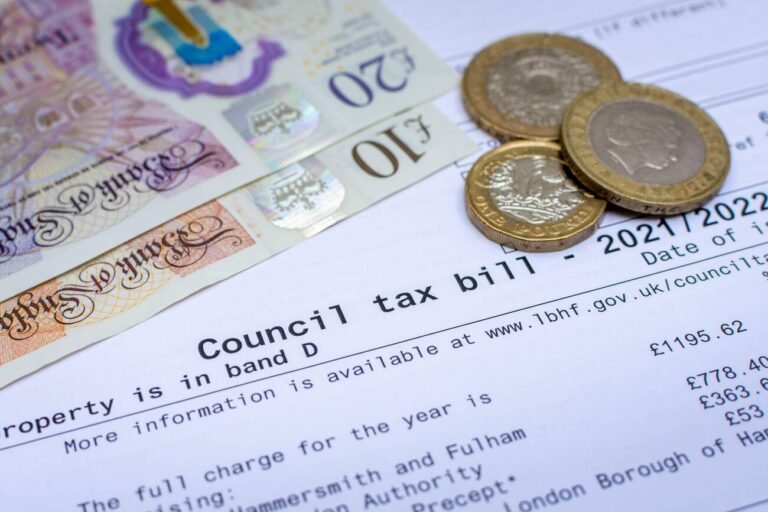
The new cost of living crisis in the UK has quite rapidly transformed into one of the most challenging economic issues and causes of political instability in the country. The population’s trust in the economic policies of the government has been significantly affected by increasing energy costs, continuous inflationary pressures, and concerns about domestic spending.
On the surface level, although all these factors are negative, the Labour Party tried to perceive their existence as an indicator of economic stability. However, the dissatisfaction among the voters can be easily noted. This article examines how the new cost of living crisis in the UK has weakened public trust in the Labour government and intensified political and economic pressures across the country.
Consumer confidence and nervousness about the economy
A further indication of the upcoming cost of living crisis may also be found in the consumer confidence survey recently released by PwC in May 2026. According to the report, consumer confidence has sunk to -13, which has become the sharpest decline recorded since 2022, when the energy crisis following the conflict between Russia and Ukraine reached its highest point. Moreover, it should be pointed out that almost 90% of British households are worried about the increasing cost of living, and 80% of those surveyed plan to reduce their spending in the near future. Clearly, there is little doubt that these statistics represent only the tip of an iceberg.
Rise in Energy Prices and the Iran War
The renewed pressure felt by British families is strongly related to the increased energy prices as a consequence of the Iran war. The growing uncertainties have led to an increase in energy prices, prices of oil and gas in particular, thereby impacting all of the consumers across the country.
It is reported that fuel prices have risen sharply, leading to higher costs in terms of transportation and also of deliveries of food and household energy consumption costs. Inflation in the country has risen to 3.3%, causing additional pressure on wage growth and affordability. Although the rate is not very alarming compared to previous levels, many people see the current situation as more concerning. They feel that the present conditions are having a greater impact on everyday life.
Economic growth and mismatch between figures and reality
The Labour government celebrated the news of economic growth in Britain, where the gross domestic product (GPD) grew by 0.6 percent in Q1 of 2026. The Labour government viewed the growth as proof that its policies were helping stabilize the national economy. Ministers argued that the country was beginning to recover after years of economic instability.
Not all economists are convinced that this economic growth is going to have any significance in the long term. Some economists believe the growth will only last for a short period. They also argue that other parts of the economy may not experience the same improvement. Some economists believe the economic impact of the downturn linked to Iran has not fully appeared in current figures yet. They expect the consequences to become more visible in the coming quarters.
Problems of the Labour Party and their effect on voting behavior
As a consequence of the emergence of the cost of living crisis in Britain, several political consequences emerged in May 2026 when the local elections took place. The problem in question caused several difficulties for the Labour Party, as some other political movements succeeded in winning some extra votes from dissatisfied people.
Experts view the cost of living issue as both an economic challenge and a political factor. They believe it directly influences how people vote during elections. The topics of inflation, increasing costs of living and high prices for energy sources prevailed. The government led by Keir Starmer faced criticism from political opponents and economic specialists. They argued that the authorities did not manage the problem effectively. Therefore, the new cost of living crisis in the UK is not only a matter of economics but also a serious problem for the Labour Party.
A “Dual Economy,” where a few benefit while many suffer
In the current situation, one could say that Britain is going through a “dual economy” experience, as some economists suggest. There are still particular regions that have great potential for further development and growth. Nonetheless, big sectors of the British society keep facing the problem of financial stress. Such an unbalanced recovery increases the impression of the widening income gap and increases discontent within the society.
Some sectors benefit from government investment and favorable conditions in the capital markets. However, most ordinary working people continue to face high living costs and financial pressure. The government must do more than simply report positive economic growth figures. It also needs to demonstrate to citizens how economic development is improving their daily lives.
The Rise of Dissatisfaction and Its Threats to Politics
Given that more pressures may be added, it is likely that more social and political issues may arise in the following months. People are already expressing growing dissatisfaction in political debates, local campaigns, and the media. These concerns are becoming more visible in public discussions. Inflation and rising energy prices have made the Labour Party vulnerable to criticism from political opponents and trade unions. Even its traditional supporters are now expressing dissatisfaction.
Some theories suggest that persistent financial pressure can create opportunities for anti-establishment movements to gain support. They also argue that it may increase the popularity of populist political forces. The new cost of living crisis in the UK is becoming closely linked to political legitimacy and social stability. Many people now judge the government’s credibility based on how it handles the economic pressure facing ordinary households.
Problems with Economic Policy by the Labour Government
Now, the Labour government faces a lot of challenges with it economic policy. The current government aims to maintain market confidence by avoiding excessive spending. It wants to prevent high levels of borrowing in the future. In contrast, the Labour government must assist the people in overcoming the rising cost of living immediately.
The government needs to act now rather than postpone its response. It can do this by subsidizing the energy sector, reducing taxes, supporting low-income families, and strengthening control over energy prices. However, these options bring along financial problems and political dangers. Critics argue that the current Labour government has been too cautious and hesitant in responding to the situation. They believe households need faster and more decisive action.
Political Effects of the New Cost of living crisis in the UK
The new cost of living crisis in the UK is becoming one of the most important political and economic concerns in 2026. Rising energy costs, higher prices, and domestic uncertainty have weakened public trust in the Labour government. The government continues to claim economic prosperity despite growing dissatisfaction among citizens.
The difference between positive economic trends and the current situation became too hard for the Labour Party to manage politically. People do not judge government economic policy based on GDP figures alone. Instead, they focus on whether they can afford to pay their bills. If the government fails to take action, serious political problems could arise. The new cost of living crisis in the UK may become a key driver of these challenges. It also further weakens the popularity of the Labour Party.