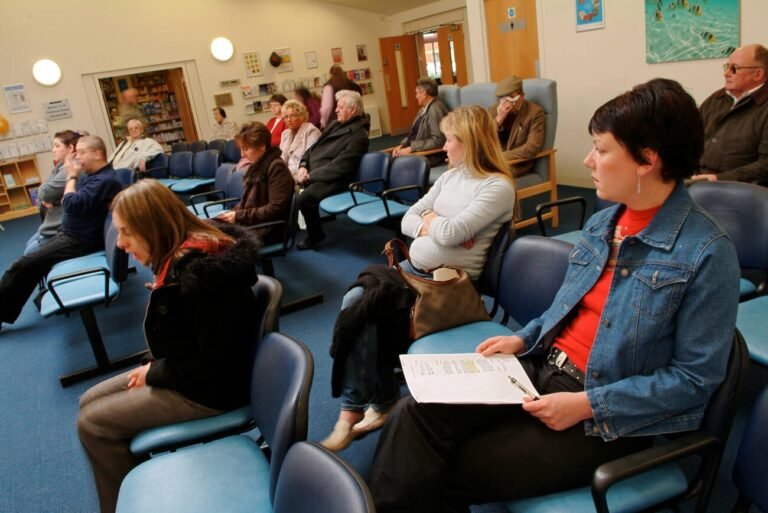
By 2026, the NHS problem will have become an extremely important topic for British citizens. Delays in treatment interfere with the everyday life, work, and mental health of thousands of patients. Health Secretary Wes Streeting stated that NHS England has achieved the goal of treating 65 per cent of patients within 18 weeks. Despite this claim, many patients still wait several months before they can see a specialist. Those who suffer from chronic diseases, heart problems, and possible cancer cannot receive timely care while waiting for a medical appointment. The pressure created by the aftermath of the COVID-19 pandemic remains relevant in all British hospitals. Many patients find themselves on several lists at once, which adds to their worries. As a result, people lose faith in the NHS. The article discusses NHS waiting times in the UK and the growing use of AI Chatbots as an alternative to accessing healthcare.
The Impact of NHS Waiting Times on People
Waiting times in the NHS still remain an issue in the lives of common patients throughout the country. Many people wait several months before they can receive scans, consultations, or surgery. For a large number of patients, these treatments could make a major difference in their health and daily lives. In some cases, patients experience worsening symptoms before the treatment starts. Another issue is connected to psychological pressure.
In some cases, people cannot work because their illnesses are not treated. Others may find it difficult to lead their usual life due to constant pain or worry. Doctors and nurses are under tremendous pressure trying to cope with large numbers of patients in understaffed hospitals. It is also stated that official reports do not fully describe patients’ problems.
Overworked Emergency Departments
The situation in NHS emergency departments is getting more and more worrying amid the present-day healthcare crisis. Many hospitals in England still report lengthy waits for people who need urgent help. Patients have to wait for several hours to be treated due to the overcrowding in the corridors. Corridor beds have become commonplace due to the shortage of space and medical personnel in hospitals.
The term “corridor care” is frequently used by some medical workers as well. Specialists claim that overcrowding can be dangerous not only for the patients but also for the medical personnel. Complications may arise due to the delays in emergency care. They particularly affect elderly patients and those who suffer from some serious diseases. It is believed that NHS waiting times in emergency departments reflect the overall state of affairs in the field of healthcare.
The Increasing Psychological Effects of Waiting for Medical Attention
In addition to physical health concerns, the NHS waiting list issue has also produced significant psychological pressure among many patients throughout the UK. Individuals who spend months waiting for appointments or treatments have described feeling anxious, uncertain, and helpless during this time period. Psychologists have indicated that inadequate medical attention can worsen mental health conditions.
People with chronic diseases may experience increased depression, stress, and emotional exhaustion as a result. This problem also affects families since many family members have to offer more care and emotional support to patients who are still waiting for professional medical care. Moreover, for some individuals, the possibility of having severe illnesses such as cancer causes constant fear and emotional instability. Specialists believe that the NHS crisis cannot be assessed based on medical facts and treatment goals alone since emotional consequences are also crucial for its evaluation.
The Reasons Why Patients Choose AI Chatbots
With continuing increases in NHS waiting times, many Britons have begun to use AI chatbots prior to talking to doctors or clinics. Recent studies indicate that one out of every seven Britons now uses artificial intelligence to look for solutions to their problems. This trend has grown as it has become increasingly difficult to book a medical appointment through the NHS. While some patients’ decision to talk to artificial intelligence comes from frustration rather than belief in technology, AI chatbots can give instant answers and help people diagnose their condition, provide explanations for common symptoms, and give general health advice. Many patients find such a quick response to be helpful, especially when it is increasingly difficult to contact a doctor or clinic due to NHS waiting times. At the same time, medical professionals claim that artificial intelligence cannot substitute for clinical examination, personal consultation, or diagnostic testing.
Political Pressure and Fears for the Future
The problem with the NHS in 2026 has resulted in growing political pressure on the Labour government. There have been constant promises of further reform and investments aimed at reducing the waiting times and improving hospital work. At the same time, critics argue that the government is making changes too slowly. As a result, public discontent continues to grow steadily.
Opposition parties, healthcare unions, and patient groups have raised concerns about the government’s ability to restore public trust in the healthcare system. They question whether this trust can be rebuilt in a relatively short period of time. It should be acknowledged that the current problem has been developing for many years due to understaffing, lack of investment, growing demands from patients, and the consequences of the pandemic. In addition, the economic situation did not allow introducing significant reforms quickly.
A Critical Point in Time for the Healthcare System
The issue of NHS waiting times is currently among the most pressing social and political issues that the United Kingdom will face in 2026. The government has made efforts to focus on gradual improvements in treatment targets. Despite these efforts, patients continue to feel frustrated and uncertain about their future health prospects.
The rise in the use of AI chatbots shows just how desperate people have become in their search for faster healthcare assistance. Artificial intelligence can provide answers to straightforward questions about a person’s health. However, it still cannot replace real doctors and nurses. Trust plays a key role in the process of treating patients. This is why the UK is currently at a critical point in rebuilding public trust in the NHS.